Turn Your Crew’s Best WorkInto Video That Books Moves
We put your real crews and trucks on camera, then cut every story for each place it runs.
Every moving company says it’s careful, professional and on time. When everyone says it, nobody hears it. Customers trust what they can see: the crew who will carry their things, the pads around a dresser, the truck with your name on the side. Good creative shows them all of it before they pick up the phone.
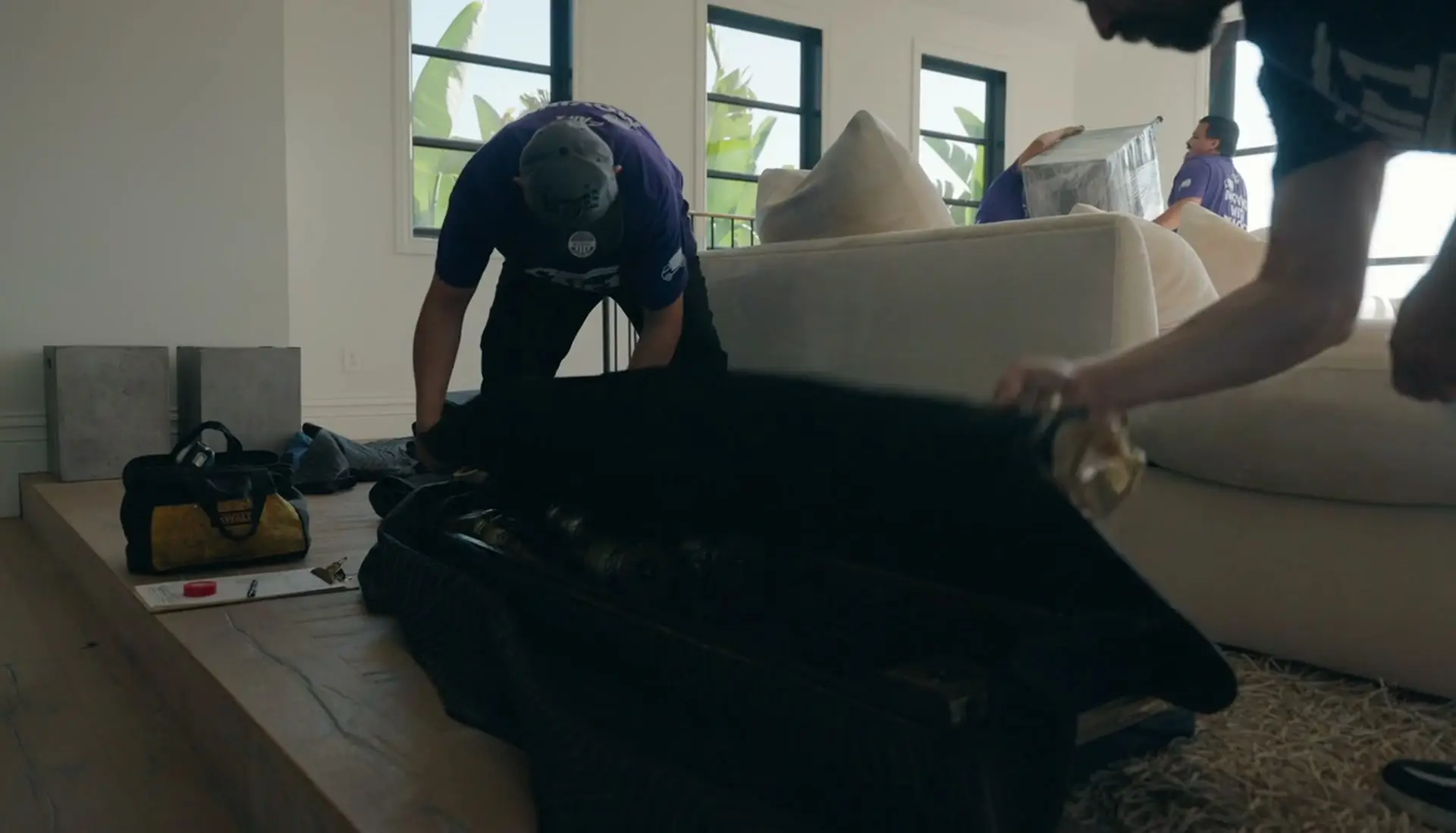
Your Real Operation On Camera
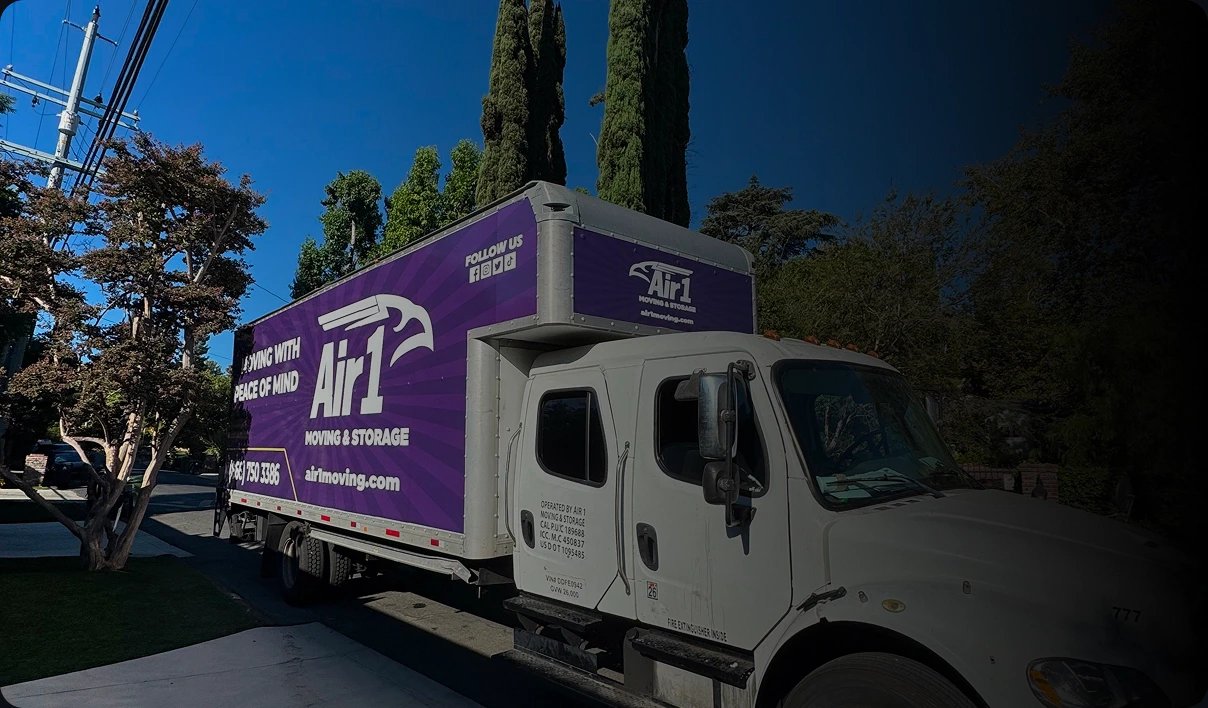
Your crews, your trucks and customers who agreed to appear. Nothing staged to look like a company you aren’t, and no actor presented as a customer.
One Shoot, Every Channel
A single plan covers ads, web video, profile photos and short clips, each framed and captioned for the place it will run.
Judged By Qualified Estimates
Views show attention. We judge creative by the qualified estimates and booked moves its campaigns produce, then let that write the next brief.
Creative building blocks
Fewer Shoot Days. More Ads Worth Testing.
Six production lines, made in-house with AI tools and mixed by what your campaigns need next. When an ad shows a crew or a truck, it’s yours.
Performance Video
Short cuts for Reels, Shorts, the feed and YouTube, built from your own crew footage and generated scenes, so you can test several openings instead of defending one expensive master.
Single-image and carousel ads that each make one claim, like the route you run or how you price a move, so the results show which claim earns estimate requests.
Feed statics
Carousels
Display sets
Native placements
UGC & Creator Content
Customers, crew members and local creators filming on their own phones from a short brief. Releases are signed before anything runs, and the raw clips become a full set of ad versions.
Original music, voiceover and sound design made for each cut, so your ads don’t share a library track with the mover down the road. The license for paid use is confirmed before launch.
Original music
Voiceover
Sound design
Paid-use licenses
Motion & Design Systems
A template for type, motion, lower thirds and end cards in your colors, with your phone number and license details in the same place, so every new version stays recognizably yours.
Ad templates
Motion kits
End cards
Brand presets
Our creative tech stack
Every Model Has A Strength. The Shot Picks The Tool.
New AI models arrive every few months, so our pipeline is built to swap them in and out. What stays fixed is the order: we decide the shot first, then choose the tool that handles it best.
Claude
Gemini
Veo
Midjourney
Runway
Adobe Firefly
Ideogram
Nano Banana
Claude
Gemini
Veo
Midjourney
Runway
Adobe Firefly
Ideogram
Nano Banana
ElevenLabs
Suno
Kling
Luma AI
Pika
Higgsfield
Artlist
ElevenLabs
Suno
Kling
Luma AI
Pika
Higgsfield
Artlist
Tool names and logos belong to their owners. They show the tools in our production pipeline and don’t imply a partnership or endorsement.
Creative in the wild
One Brief, Cut For Every Placement
Every placement gets a cut made for it, vertical for Reels and Shorts, 4:5 for the feed and widescreen for YouTube, instead of one video letterboxed across all of them.
#Crew_Reel
Air1 Moving & Storage
Air1’s own crew on the job, cut into one vertical reel
#Performance_Video
Move Happy
California to Hawai‘i, sold in quick captioned cuts
#Creator_UGC
Air1 Moving & Storage
A creator-style video for Air1’s local moves, with captions
#Testimonial
Move Happy
A Move Happy testimonial, shot selfie-style with kinetic captions
#Camera_Track
Air1 Moving & Storage
One stack of Air1 boxes in home after home, in under six seconds
#Crew_Story
Move Happy
Meet Joe, the Move Happy crew member behind your move
Air1 Moving & Storage: Air1’s own crew on the job, cut into one vertical reel. Reel 1 of 6.
Static ads
One Frame. One Claim To Test.
A static ad gets a moment in a busy feed. So each frame makes one claim a customer can check, like the route you run or how you price a move, and enough versions run side by side for the results to show which claim brings estimate requests.
One promise and one proof per frame, with nothing to decode mid-scroll.
Cut for each placement, feed, Stories, display and native, never one file stretched across all four.
Enough versions in market that customers choose the winner, not a meeting.
A hypothesis label on every frame, so the results read cleanly.
Hypothesis · LocalityThe city, named in the first lineFeed static · 1:1
Hypothesis · ProofA track record on the routeFeed static · 1:1
Hypothesis · ContrastWithout us and with us, side by sideFeed static · 1:1
Static ads Growth Key produced for Air1 Moving & Storage and Move Happy. Each card names the hypothesis its frame tests, not a result.
Your free creative audit
Let Us Show You What Customers See Before They Call
Many moving companies don’t have a creative problem so much as a proof problem. The ads run on stock photos of models holding empty boxes, the website shows a truck that isn’t theirs, and the newest video is years old. None of it shows the crew, the care or the process a customer is actually choosing.
Your free growth audit starts with what customers see today. We review your ads, website imagery, Business Profile photos and video library, check what you have the rights to use, then show you which customer questions your creative leaves unanswered, what we’d keep and what we’d shoot first.
Creative Built Around The Questions That Hold Up A Booking
A customer choosing a mover is weighing a short list of worries: will the crew be careful, will the price hold, will everything arrive when promised? An asset that answers one of those clearly does more than a polished reel that answers none.
We start with the decision, not a shot list. A family planning a local move may need confidence in careful handling, while a facilities manager may need to see how you plan an office move around the working week. That difference sets the script, the format and the call to action, and our guide to brand positioning for moving companies shows how to turn what your operation does well into a promise you can prove.
Already Have Photos And Video?
Good footage from past jobs is worth keeping. We sort what you already have by what it shows and whether you have permission to use it, then recommend only the shots and stories that would add something new. Older widescreen footage can often be recut for vertical placements when the subject sits near the center of the frame, so a library you’ve already paid for may go further than you expect.
Your Team Approves Every Fact
Your designated reviewer approves business facts, claims and final cuts before anything is published. The FTC expects advertising claims to be truthful and backed by evidence, so licenses, service areas, prices and reviews appear in your creative only once you’ve confirmed them.
Hiring a mover means handing everything you own to people you’ve never met. Customers can’t watch your crew work before they book, so they judge from whatever you show them: the photos, the videos, the trucks and the people in your ads and on your site.
Federal investigators even tell customers what to watch for. The Department of Transportation’s Office of Inspector General lists a rental truck arriving “rather than a company owned or marked fleet truck” among the warning signs of household goods moving fraud. Footage of your own marked trucks and your own crews answers that worry before anyone has to ask.
Generic creative can’t do that. A stock photo could belong to any company, and a logo says nothing about how a dresser gets wrapped. Your operation is the one thing competitors can’t copy, so we make it the strongest part of the story.
What your creative can show
The crew who will arrive, introduced by name
Pads, wrap and floor protection going on before anything moves
Your own marked trucks and the people who drive them
How the estimate works, from walkthrough to written price
Where belongings stay when they go into storage
Real customers describing their move, with their permission
The Same Proof In Every Channel
A customer who sees your ad, checks your Business Profile and opens your website should meet the same crew and the same trucks at every step. Consistent proof makes each channel more believable, and the call that follows starts with questions about the move rather than about whether you’re real.
Built From What Your Estimators Hear
Your estimators already know which questions stall a booking: stairs, parking, fragile items, timing, storage. We turn those questions into the brief, so each asset answers one of them. Trust signals for moving websites shows where that proof belongs on your site.
Different Proof For Commercial Moves
A facilities manager weighs different risks from a family. They want to see a project plan, after-hours scheduling, labeled crates and a crew that protects a working office. Creative for commercial moves shows that planning, and paid social for commercial moving companies covers how to reach the people who make that decision.
A system of useful assets
Moving Company Video And Creative We Produce
One well-planned shoot can feed every channel. A day with your crew on a real job can produce short ads for social feeds and YouTube, a service explainer for your website, Business Profile photos and quick educational clips, all planned before the camera comes out so each one is framed and cut for where it will run.
The goal is a consistent library, not a pile of unrelated posts. Every asset gets a job, a channel and the customer question it answers, and your team approves the story before anything goes live.
Video For Ads, Your Website And Social
Each format answers a different question at a different point in the decision.
Short Ads For Feeds, Reels And Shorts
Vertical and feed cuts built around one customer concern, with the point made in the opening seconds and an offer your intake team recognizes. We produce several versions of each so your Facebook Ads and YouTube campaigns have something worth testing.
Crew And Process Videos
Crew introductions, preparation, protective materials and warehouse procedures, filmed on real jobs. They show customers what moving day will look like with your company, which no stock library can.
Service Explainers
Short walkthroughs of how your estimates, packing, storage or long-distance deliveries work. They belong on service pages and in follow-up emails, where a customer has time to watch and a reason to.
Customer Stories, With Permission
Real customers describing their own move in their own words, filmed only with their informed consent and edited so their meaning stays intact. Our testimonial video guide explains how we find, film and present them.
Quick Answers And Packing Tips
Short clips that answer common questions, such as how to pack a television or what to set aside for moving day. They give your social profiles something useful to post and your FAQ pages something to show.
Stills And Supporting Assets
Crew, Truck And Job Photography
Portraits, trucks, packing details, the warehouse and the office, shot on the same day as the video. They become website imagery, Business Profile photos and still ads, so every channel shows the same company.
Still Ads And End Cards
Static versions of the strongest messages, one idea per frame, plus end cards that carry your name, your offer and any license numbers your ads must show. They let a campaign test a message before it’s worth a new edit.
Real customers, real crews
Real People, Signed Releases And Honest Testimonials
Everyone who appears in your creative should know what they’re agreeing to. Crew members, customers and anyone else on camera sign a release before their footage is used. State law can require it: New York requires a person’s written consent before their name, picture or voice is used for advertising, and a parent’s or guardian’s consent for a minor.
Testimonials carry extra rules. The FTC’s Endorsement Guides say an ad that presents people as actual customers should use actual customers, or clearly disclose that they aren’t. Its rule on consumer reviews and testimonials, in effect since October 21, 2024, prohibits testimonials that misrepresent whether the person exists, whether they used the service or what their experience was.
Releases For Everyone On Camera
A release is only as useful as its scope. We plan releases with you before the shoot: who signs, which channels they cover, paid and organic, and for how long. Your attorney should approve the wording, and each signed release is filed with the footage it covers.
Crew releases deserve the same care. When a release says what happens to footage after someone leaves the company, a strong clip doesn’t have to be retired the day a mover moves on.
Testimonials That Follow The FTC’s Rules
We film customers who volunteer, ask open questions instead of feeding lines and edit without changing what they meant. If a customer received a discount, a free service or anything else of value for appearing, that connection gets a clear disclosure, because the Endorsement Guides require one when the audience wouldn’t expect it.
Specific claims need care too. An ad that features one customer’s experience can be read as showing what others will generally get, so if that experience isn’t typical, the ad needs to say what customers can generally expect. We never invent a testimonial or present an actor as a real customer.
AI And Heavily Edited Footage
Platforms now ask for labels on realistic synthetic media. YouTube requires creators to disclose realistic content made or altered with AI, such as footage that makes a real person appear to say something they didn’t or a realistic scene that never happened. Meta may require an AI label on organic posts with photorealistic video or realistic-sounding audio that was digitally created or altered, and it labels ads made or significantly edited with its own generative AI tools.
The FTC has no blanket ban on AI avatars, but a testimonial still has to come from a real customer who had the experience described. Your creative shows your real crew, trucks and customers, and routine edits such as color correction don’t trigger YouTube’s disclosure or Meta’s ad label.
Cut for every placement
Aspect Ratios, Safe Zones And Captions For Every Placement
A video framed for a laptop looks cramped on a phone, and a vertical clip plays with wide padding on a computer screen. We plan framing for every placement before the shoot, so one story can be cut into each shape without losing the crew, the truck or the message.
Meta’s Ads Guide lists 4:5 for Facebook Feed video and 9:16 for Instagram Reels. YouTube’s standard player is 16:9, and Google’s video campaigns take horizontal 16:9, vertical 9:16 and square 1:1 video, with Google recommending a mix. On Shorts, a horizontal ad plays with blurred bars above and below, so a true vertical cut matters.
Safe Zones For Text, Logos And Buttons
Placements lay their own buttons, captions and profile details over your video. For Reels, Meta’s Ads Guide suggests keeping at least 14% of the top, 35% of the bottom and 6% of each side free of text, logos and other key elements, so the profile icon or call-to-action button doesn’t cover them. We keep phone numbers, offers and license numbers inside the safe area in every version, and check each export on a phone before it goes live.
Captions On Every Version
Meta lists captions as recommended for feed video, and captions make video usable for people who are deaf or hard of hearing. WCAG treats captions for prerecorded video as a Level A requirement, and good captions identify speakers and meaningful sounds as well as dialogue.
Automatic captions are a starting point, not a finish. YouTube notes that they can misrepresent speech because of accents, dialects or background noise and asks creators to review them, so we check every caption file against the final cut, including place names and your company name.
For video on your own website, WCAG 2.2 at Level AA also calls for audio description when important visual information, such as on-screen text, isn’t in the soundtrack. We write voiceovers that say the key details aloud.
Lengths That Fit The Placement
Placements set practical limits on length too. Shorts can run up to three minutes, but only the first 60 seconds play in the Shorts feed, and Google suggests 10 to 30 seconds for vertical ads that ask viewers to act. A Business Profile video can be up to 30 seconds long. We cut short versions for feeds and Shorts and keep longer explainers for your website and YouTube channel, where people choose to watch.
The first three seconds
Hooks And Story Structure That Work With The Sound Off
In a feed, the opening has to earn the rest of the ad. Meta advises that videos capture attention and include key messaging or branding within the first 3 seconds. On YouTube, viewers can skip a skippable in-stream ad after 5 seconds, and a Shorts ad can be swiped away immediately.
Meta also recommends designing for sound-on viewing, because music, voiceover and sound effects drive engagement. We write for both: captions and on-screen text carry the story when the sound is off, and voiceover and natural sound make it stronger when it’s on.
Open On The Customer’s Problem
The strongest openings name a situation the viewer recognizes: a third-floor walk-up, a piano, a closing date that won’t move. A logo animation tells them nothing about their move, so we save the branding for a frame where it supports the message.
Every opening stays honest. A hook that promises what the crew can’t deliver wins the click and loses the customer.
Words On Screen Carry The Story
Captions transcribe what’s said, while on-screen text carries the one line a silent viewer can’t miss. We keep it to a few words per frame, set it large enough to read on a phone and place it inside the safe area, so no button or caption covers it.
Show The Work, Then The Proof
After the hook, the middle of the ad shows the work: pads going on, a doorframe protected, a crew lead walking a customer through the plan. Proof follows, and it has to be real, such as a customer in their own words or the protection options you actually offer. Our guide to video ads for moving companies shows how hooks, proof and offers fit together in a storyboard.
An Offer Your Team Recognizes
The closing frame asks for one action that matches how your intake works: book an in-home estimate, request a video walkthrough or call the office. If the ad promises something your team doesn’t offer, the lead arrives confused and the estimate starts badly.
For interstate movers, the end card also carries your company name and USDOT number. Federal rules require both in all advertisements for interstate household goods services, so we treat every video ad the same way.
Real moves, filmed with care
Planning A Shoot Around A Real Move
The most convincing footage comes from real jobs, which means filming in someone’s home on a day that already has plenty going on. We plan every shoot so the move comes first: the customer has agreed in writing, the crew knows the shot list and nobody is asked to repeat a heavy lift for a better angle.
A shot list and call sheet go out before the day, naming the location, the people on site, the shots that matter and the permissions in hand. If a customer changes their mind, the shoot moves to your warehouse or yard instead.
On every call sheet
The location and the homeowner’s written permission
Everyone on site, and who has signed a release
The shot list, in the order the move happens
Where the camera stays during heavy lifts
Any aerial shots, and the certified pilot flying them
Permission Before The Camera Comes Out
Filming at a customer’s home starts with the homeowner’s written permission and, where they apply, the building manager’s or homeowners association’s rules. We agree which rooms and belongings can appear, and neighbors or other residents stay out of frame unless they agree to appear.
Privacy In Every Frame
House numbers, street signs, license plates, mail, family photos and screens can reveal where someone lives or what they own. We keep them out of frame or blur them in the edit, and review every cut for details a customer wouldn’t want published.
The Crew’s Safety Comes First
The camera stays out of carry paths, off stairways during lifts and clear of the truck ramp. Crews work at their normal pace, and heavy items are filmed as they move rather than restaged for the camera.
Drone Shots Follow FAA Part 107
A high view of the truck on a quiet street can be the best shot of the day. Flying a drone for a business shoot isn’t recreational flying, so the FAA’s small drone rules in Part 107 apply: the pilot needs a remote pilot certificate, and the rules restrict flying over people who aren’t part of the operation and over moving vehicles. Aerial shots are flown by a pilot who holds that certificate, with the flight planned around the people on the street and any local restrictions.
Stills that work everywhere
Photography For Your Website, Business Profile And Ads
The day that produces video can also produce the photos your channels run on: crew portraits, trucks, packing details, the warehouse and the office. Real photos of your people do something stock can’t, because the customer may see the same faces at their door.
We plan stills alongside the shot list, shoot wide enough to crop for vertical and feed formats, and deliver files sized for each place they’ll be used. Real customer photos vs stock images explains when each has a place.
Business Profile Photos And Videos
Google suggests adding at least three photos each of your exterior, your team and your work, and asks for photos that are in focus, well lit and free of significant alterations or heavy filters, so they represent reality. Photos should be JPG or PNG files between 10 KB and 5 MB, and profile videos can run up to 30 seconds at 720p or higher. Our guide to Business Profile photos and videos that build trust includes a shot list written for movers.
Website Images That Load Fast And Make Sense
On your website, photos help search and speed when they’re handled well. Google recommends descriptive alt text, placing images near the text they relate to and using standard image elements so its crawlers can find them. A large hero image can also become the page’s Largest Contentful Paint, the Core Web Vital that measures how fast a page appears to load, so we size and compress images for the page they sit on.
Video On Your Own Site
Video on your site works harder when search engines can find it. Google’s video guidance asks for a dedicated, indexable watch page for each video, a valid thumbnail and structured data that describes it. We plan those pages alongside our website design work, so explainers and customer stories can be found in search, not just played on the page.
Let performance write the next brief
Testing Creative And Refreshing It Before It Wears Out
Creative is a hypothesis until customers respond to it. We review which messages earn attention and which bring qualified estimates, because the two aren’t always the same. A thumbnail that wins clicks isn’t automatically a winning acquisition strategy.
Each test starts with a stated reason, such as “customers worry about damage, so lead with protection,” and ends with a decision that shapes the next brief. Over time, that record of what was tried and why becomes the plan for the next shoot.
One Change Per Test
Meta’s A/B testing splits an audience into random, non-overlapping groups so versions can be compared fairly, and each test variable is a single change, such as the creative, the audience or the placement. Google’s video experiments test different video ads with the same audience on YouTube. We change one element at a time, whether that’s the hook, the proof or the offer, so the result tells you something you can use.
Judge By Qualified Estimates, Not Views
Views, watch time and click-through rate help diagnose an ad, but they don’t book moves. Where tracking allows, we compare versions by the qualified estimates and booked moves they lead to, and our lead tracking and automation work connects those outcomes to the campaigns that carried each version.
Wait For A Real Answer
Small accounts produce small samples, and early results can swing either way. Google recommends waiting until a video experiment finishes for conclusive results and treats earlier reads as directional, so we label early results the same way and don’t declare a winner too soon.
Is It Fatigue, Or Something Else?
When results slip, the creative isn’t always the cause. Season, budget, audience size, competition and the offer all move results too, so we check those before calling it fatigue. When an ad really has worn out, a new opening or a fresh cut from approved footage can be enough. See our creative testing framework.
Agreed in writing
Music, Talent And Ownership, Settled Before The Shoot
Who owns a video, and where it can run, is easy to settle at the start and expensive to argue about later. Under U.S. copyright law, the person who creates a work ordinarily owns it. A commissioned video counts as a work made for hire, owned by the business that ordered it, only when both sides sign a written agreement saying so, and any other transfer of copyright must be in writing and signed. That’s why your proposal sets out who owns the finished assets and the raw footage, where they may be used and who can edit them later, before anyone films.
Music Licensed For Advertising
A song that’s fine in a personal post can be off limits in an ad. Meta’s Music Guidelines prohibit using music for commercial or non-personal purposes without the appropriate licenses, and Google doesn’t allow ads that use copyrighted content, music included, in a way that infringes copyright. We use tracks licensed for the channels and period in your plan, and keep each license with the project, so a strong ad doesn’t get muted or pulled after launch.
Talent And Releases That Match The Use
A release signed for a website video may not cover a paid ad, and a voiceover recorded for one campaign may not cover the next. We match each release and talent agreement to the channels and period you plan to use, and note any limits beside the asset.
An Asset Library You Can Trust
Every approved asset is logged with what it shows, who appears, which releases and licenses cover it and where it may run. That register is what lets your team reuse footage with confidence. Our guide to building a moving company UGC program applies the same approach to photos and clips from customers.
Where creative loses trust
Moving Company Creative Mistakes We Fix
These are the problems we look for first when we audit a moving company’s photos, videos and ads. Each one costs trust before the first call, and each one has a fix.
Stock photos of models who look nothing like your crew
Horizontal video squeezed into vertical placements
Phone numbers and offers hidden under platform buttons
No captions, so the story disappears with the sound off
A logo intro where the hook should be
Customer testimonials with no signed release on file
Interstate ads that leave out the USDOT number
Trending music in ads without a commercial license
One video run until nobody responds to it
Creative judged by views instead of qualified estimates
Facebook and Instagram are natural homes for vertical and feed cuts, reaching people before the move turns into a search.
We plan audiences, placements and creative tests together, so each version reaches the people it was made for and is judged by the estimates it brings.
Your website is where customers go to check you out after an ad. Crew photos, explainers and customer stories belong on the service pages they support.
We design pages around real photography and fast-loading video, so the proof sits right beside the estimate form.
Creative & Video Production,Built For Moving Companies
Everything a moving company needs from photo and video, planned as one system around your real operation and judged by the estimates it brings.
Creative & Asset Audit
Your ads, website imagery, profile photos and video library, reviewed for what they show, what’s missing and what you have the rights to use.
Message Brief & Scripts
The audience, service and customer question behind every asset, with scripts and shot ideas your team approves before production.
Shoot Planning & Releases
Shot lists, call sheets, location permissions and signed releases, planned around real jobs and your crew’s schedule.
Channel-Ready Video Edits
Vertical, feed and widescreen cuts with reviewed captions, checked safe zones and the right end card for each placement.
Crew, Truck & Job Photography
Stills for your website, Business Profile and ads, shot to crop cleanly and delivered at the sizes each channel needs.
Creative Testing & Refresh Plan
Tests with a stated hypothesis, readouts tied to qualified estimates and new cuts planned before an ad wears out.
How we produce your creative
Three steps to launch.Then a library that keeps improving.
Every step ends with your approval before the next begins. Nothing is filmed until the brief, the permissions and the releases are in place.
01
Audit & brief
We review the creative you already have, what it shows and what you can use, then define the audience, service and customer question each new asset should answer. Scripts and a shot list come to you for approval before anything is booked.
02
Plan & shoot
Locations, permissions, releases and a call sheet are confirmed before the day. Filming follows real jobs at the crew’s pace, with privacy checked in every frame and any aerial shots flown under the FAA’s rules.
03
Edit & launch
Each story is cut for its placements, captioned, checked on a phone and sent to your reviewer. Approved versions go to your campaigns, website and Business Profile, each logged with the releases and licenses behind it.
Ongoing
Test & refresh
Qualified estimates choose the next brief, season after season.
Qualified inquiries, booked moves and the marketing behind them.
Qualified leads by channel
Select a source to explore its campaigns.
MoverAI Growth opportunity
Turn more estimates into booked moves.
93 estimates in this sample account are awaiting a booking decision. A timely, relevant follow-up is the next step.
Confirm move date and service coverage
Answer inventory and access questions
Connect the booking to its lead source
Follow the outcome
Bookings and revenue use the current lead statuses in this demo.
Estimated booked revenue$187,800
Acquisition cost per booked move$300
Marketing channels5
October 2026
Your moving business, by the numbers.
Estimated booked revenue$187,800
Ad spend$18,600
Qualified leads248
Booked moves62
How bookings build through the month
Weekly totals from the example lead records.
45kWeek 1
63kWeek 2
62kWeek 3
18kWeek 4
Your reports
Build and download a snapshot of the sample account.
Available example reports
Report
Period
Leads
Bookings
Download
October growth report
October 2026
248
62
Weekly booking review
Oct 22–28, 2026
59
6
Make honest feedback part of the process.
Request a review after a completed move, without incentives or review gating.
Review request drafts
Practice your follow-up using example bookings. No messages are sent.
Jordan Parker
DEMO-001 · Local moving
Confirm move completion before sending
Taylor Parker
DEMO-002 · Local moving
Confirm move completion before sending
Morgan Parker
DEMO-003 · Local moving
Confirm move completion before sending
Casey Parker
DEMO-004 · Local moving
Confirm move completion before sending
Client portal
MoverAIClient Portal
Creative concepts in one place for review, beside the campaigns, calls and booked moves they support. MoverAI keeps creative, lead sources and outcomes side by side, so each new brief starts from what actually booked.
Preview shown with Acme Moving Company, a fictional example account.
Not always. We review your existing assets and determine which missing shots or stories would materially improve the message.
Can you create customer testimonials?
We can help film and edit real, permission-based customer experiences. We never invent a testimonial or present an actor as a real customer.
Who approves the creative?
Your designated reviewer approves business facts, claims and final assets before they are published.
Do you film at our customers’ homes?
Only with the homeowner’s written permission, and building or HOA approval where it applies. We film around a real job at the crew’s pace, keep house numbers, mail and personal items out of frame, and move the shoot to your warehouse or yard if a customer would rather not take part.
Who owns the photos and videos?
That’s agreed in writing before the shoot. Your proposal sets out who owns the finished assets and the raw footage, where they may be used and who can edit them later, so there’s no question about where a clip can run.
Do you use AI-generated people or scenes in our ads?
Not to stand in for your crew, trucks or customers. Customers are deciding whether your company is real and careful, so the footage should be your company. If an edit ever uses realistic altered or synthetic elements, we tell you first and follow each platform’s disclosure rules.
How long should a moving company video ad be?
Long enough to answer one question, with the point made in the opening seconds. Short cuts suit feeds and Shorts, while longer explainers work on your website and YouTube, where people choose to watch. We cut each version for its placement rather than trimming one video to fit everywhere.
Can you also run the ads?
Yes. MoverFuel manages Facebook Ads and Google Ads, so creative can be planned with the campaigns that will carry it and judged by the estimates and booked moves those campaigns produce.
What do you need from us before a shoot?
A designated reviewer, a few upcoming jobs or locations we can film, and the facts your creative will state, such as your services, service areas and license numbers. We prepare the shot list, call sheet and releases with you.
Your Crews Do Careful Work.Let Customers See It.
Start with a free growth audit. We’ll review the photos, videos and ads customers see today, show you the questions they leave unanswered and tell you what we’d shoot first.