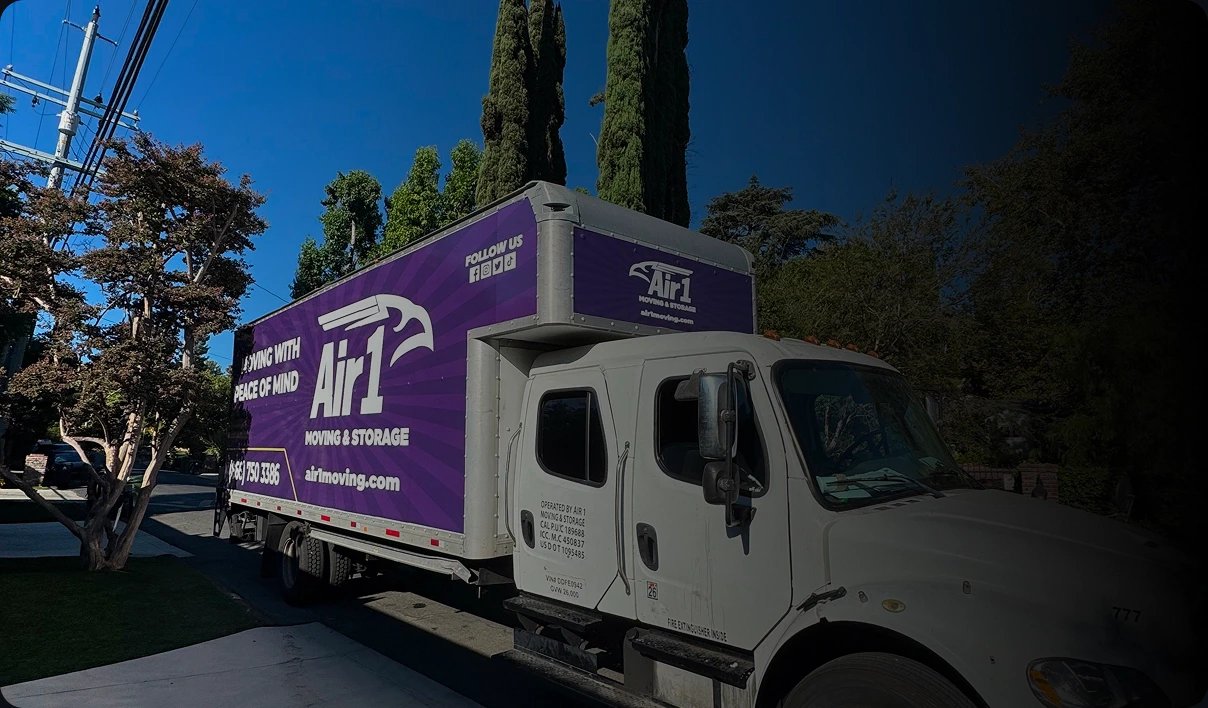
Not every future customer is searching for a mover today. Some are still packing, comparing neighborhoods or waiting on a closing date. Facebook Ads can put your crew in front of them before the search starts, but only when the creative is real, the form asks the right questions and every lead is judged by whether it books.
We Give Meta A Clear Job
Prospecting, retargeting and lead campaigns each get a defined role beside your search ads, with a budget and the evidence that will judge it.
We Show Your Real Crew
Creative comes from your people, your trucks and your estimate process, sized for Reels and the feed and carrying only claims you’ve confirmed.
We Judge Leads By Bookings
Forms and calls are tracked to the campaign that produced them, and where your CRM allows, booked moves flow back to Meta and into your reports.
Common objections
What Owners Hear About Meta, And What’s Actually True
Each one has a grain of truth. Here’s what a campaign built for booked moves does about it.
“Nobody Scrolls Facebook For A Mover”
They don’t need to. People planning a move are still scrolling, and Meta can put your crew in front of them before the search starts.
“My Customers Aren’t On Facebook”
In Pew Research Center’s 2025 survey, 71% of U.S. adults said they use Facebook and half said they use Instagram. That’s national context, not a count of moves in your market.
“I Boosted A Post. Nothing Happened.”
A boosted post has fewer targeting and creative options than a campaign built in Ads Manager, where the Leads objective, budget settings and reporting live.
“Facebook Leads Are Junk”
Meta’s default form is quick to submit, even without much thought. Higher-intent forms add a review screen, and a few qualifying questions sort the move.
“We Already Run Google Ads”
Good, because Meta isn’t a substitute for search. Someone who saw your crew in a Reel may search your name a week later, so we plan both and compare them by cost per booked move.
“Likes Don’t Book Moves”
Agreed. We judge Meta by qualified estimates and booked moves, and where your CRM allows, booked moves go back to Meta so it learns which leads became jobs.
Full-service management
Four Jobs, Run As One System
Who sees the ad, whether they stop, what it costs and whether it books are four separate jobs. We run all four together, measured in booked moves.
01
Audiences From Your Service Map
Locations drawn around the areas your crews cover, custom audiences from your customer lists, lookalikes built from booked customers and exclusions for people who should never see your ads.
You get: An audience plan for every campaign, with permitted retargeting and exclusions.
02
Creative From Your Real Crew
Concepts built from your people, trucks and estimate process, sized for Reels and the feed, made for sound off and tested one idea at a time.
You get: A creative testing plan, with every claim confirmed by you before it runs.
03
A Clear Job And Budget For Each Campaign
Prospecting, retargeting and lead campaigns each get one job and a budget range, paced around the learning phase and your crews’ capacity.
You get: A plan that gives every campaign an audience, a budget range and the evidence that will judge it.
04
Tracking That Counts Booked Moves
Pixel and Conversions API events counted once and consent-aware, leads tied to the campaign that produced them, and booked moves sent back where your CRM allows.
You get: Qualified estimates and booked moves by campaign, service and market.
Your free Facebook Ads audit
Let Us Show You What Your Facebook Ads Are Really Booking
Facebook Ads can make a moving company busy without making it booked: cheap form fills, people who never pick up and a dashboard that calls it a win. When that happens, the creative is only part of the story. The account may be optimizing for the wrong event, reaching people far outside your service area or handing leads to a team that sees them hours later.
Your free growth audit shows what your Meta budget turns into today. We review your campaign objectives, audiences, location settings, pixel and Conversions API events, creative, forms and follow-up, then show you which campaigns produce estimates, which produce noise and what we would change first.
Facebook Ads Built Around The Moves You Want Next
Social ads reach people while they scroll, not while they type a query. That changes the job. A Meta campaign has to show a moving situation the viewer recognizes, say what your company does about it and make the next step easy before the thumb moves on.
We build campaigns around the business behind them: the services you want more of, the markets you serve and the capacity you have. Each campaign gets a defined role, with creative, a form and an audience built for that role. Our guide to when Meta Ads work for moving companies explains how we decide.
What We Look At First
The audit follows the money from the first impression to the booked job. It also covers what competitors in your markets are running, because Meta’s Ad Library lets anyone search the active ads on its platforms.
Campaign objectives and the event each campaign optimizes for
Location settings and audiences against your real service map
Pixel and Conversions API events, and whether any count twice
Creative, offers and the claims each ad makes
Instant forms, landing pages and how fast leads get an answer
Active ads from competitors in your markets
Already Running Facebook Ads?
If your account is already running, we start with what it has learned. Pixel history, custom audiences and creative results are worth keeping, and we agree on any restructure with you before changing it.
Why Facebook Ads Belong In A Moving Company’s Marketing Plan
Search ads wait for someone to ask. Meta reaches people while they scroll, which makes it a different tool: less about catching the person typing “movers near me” right now, more about being the company they already recognize when they do.
The audience is broad. In Pew Research Center’s 2025 survey, 71% of U.S. adults said they use Facebook and half said they use Instagram. The Census Bureau’s 2024 estimates found that 11.8% of people had moved to a different home in the past year, and 2.1% had moved to a different state. Those are national figures: useful context, never a count of demand in your market.
Meta can’t read intent from a query, and we don’t assume any targeting setting can find everyone who is about to move. Location, past customers and people who have already visited your site narrow the audience. The creative and the form do the rest of the sorting.
Give Meta A Defined Job
Awareness, retargeting and lead generation need different expectations, so each campaign gets one job. Prospecting introduces your company to people in your service area. Retargeting reminds people who have already shown interest. Lead campaigns ask for an estimate request, through a form inside the app or a page on your site.
Meta isn’t a substitute for search. Someone who saw your crew in a Reel may search your company name a week later, click a search ad and call. Both channels helped, so we plan Google Ads and Meta together, keep their messages consistent and compare them by cost per booked move rather than by which report shows more leads.
Boosting A Post Isn’t A Lead Campaign
Boosting turns a post you already published into an ad, with fewer targeting and creative options than a campaign built in Ads Manager. It can stretch a good post’s reach. The Leads objective, budget settings and performance reporting live in Ads Manager, which is where estimate campaigns belong.
Built on your service map
Audiences Drawn Around The Places And People You Actually Serve
Meta’s targeting has become more automated. With Advantage+ audience, most settings are suggestions the system can look past when it expects better results, while a few are hard controls it won’t cross: locations, minimum age, excluded custom audiences and languages.
For a mover, that split matters. Your service map is a control, set deliberately. Everything else is a hypothesis we test: who your best customers are, who looks like them and who has already shown interest.
Location Targeting Around Your Service Area
Meta can target cities, ZIP codes or a radius around a dropped pin, and it shows ads to people who live in those places or were recently there. When you pick a city or region, an option to reach more people likely to respond may be switched on by default. It adds people who have shown interest in the area, for example by searching for listings there or living in a nearby town.
We decide that setting per campaign. A local campaign usually wants it off, so ads stay where your crews work, while a long-distance campaign may welcome people with ties to a city. Meta also says location targeting can’t be completely accurate and some leads will come from outside your settings, so we track how many do.
Where Meta fits depends on the business behind the ads; our plan for local moving companies shows the role it plays next to search.
Custom Audiences From Your Own Customers
A customer list audience matches people you already know, such as past customers, to their accounts on Meta. The list is hashed before matching, and Meta’s terms require you to have the rights, permissions and a lawful basis to use it.
We use customer lists in two main ways: to keep people who already booked out of prospecting ads, and as the source for lookalike audiences. People who opted out of marketing can go on an exclusion-only list, which can’t be used to target them.
Lookalike Audiences Built From Booked Customers
A lookalike audience finds new people who share characteristics with a source audience. Meta needs at least 100 people in the source and generally recommends 1,000 to 5,000. It leaves the source’s own people out and uses the ad set’s location settings to find the rest.
Meta also notes that a source made from your best customers can work better than one made from all of them. For a mover, that means booked and completed jobs, not every inquiry, and never the form fills that didn’t answer.
Audiences That Should Never See Your Ads
Exclusions are part of the plan from the start: recent customers, leads already in your sales process and, when a campaign serves one market, the areas another campaign covers. In Advantage+ audience, excluded custom audiences are controls, not suggestions.
Check before you launch
Does A Moving Ad Need A Special Ad Category?
Meta requires advertisers in the United States to choose a special ad category for ads about housing, employment, and financial products and services, and it may reject ads that should carry one but don’t. Once a category applies, targeting tightens: Advantage+ audience isn’t available, and lookalike audiences are limited or unavailable.
Meta’s examples of housing ads include home listings, homeowners and renters insurance, mortgages, appraisals, and real estate and house hunting services. Moving services aren’t on that list, so a standard offer for a local or long-distance move generally runs without a category. Meta says its examples aren’t comprehensive, though, and a few situations movers run into change the answer.
When a moving company’s ad needs a category
Recruiting drivers, packers or crew: employment
Relocation packages that include house hunting: housing
Co-marketing that features a partner’s home listings: housing
Financing, or paying for a move in installments: financial products and services
Keep Recruiting Ads In Their Own Campaign
If you recruit drivers and crews on Facebook, those ads belong in a separate campaign with the employment category. Meta sets the category when the campaign is created, so combining hiring ads with the campaigns that sell moves would put the stricter audience rules on your sales ads.
We check every new campaign against Meta’s current definitions before it launches. The categories change: financial products and services became a required category for U.S. advertisers in January 2025.
Real crews, real trucks
Creative That Shows Real Crews, Real Trucks And A Clear Next Step
A feed ad has a few parts to work with: a line or two of text, an image or video, a headline and a button. In a feed full of friends, family and creators, generic moving-box artwork gives the viewer little reason to stop.
The actual work does. A crew wrapping a sofa, a truck loaded in order, an estimator walking a client through the process: real preparation and careful handling can say more than a stock photo. Every claim in the ad still needs a basis in your business.
Real Crews Over Stock Photos
We plan shoots around the questions customers ask before they book: who shows up, how furniture is protected and what happens on moving day. Your team needs to agree to appear, and customers need to agree before their homes or belongings do. Our creative and video production service coordinates the shoot, and our guide to crew and truck photography covers what to capture.
Sized For Reels, Stories And The Feed
Each placement has its own shape. Meta recommends vertical 9:16 for Reels and Stories, because most people hold their phones upright, and vertical 4:5 for single-image ads in the Facebook feed. Ads Manager can adjust one asset to fit several placements, but supplying each shape and checking the crops gives you control.
Text and logos need room too. Meta’s safe-zone guidance for 9:16 ads is to keep the top, bottom and sides clear of key text and logos, so the app’s interface doesn’t cover your phone number or your USDOT number.
Made For Sound Off
Meta’s advice for Instagram video ads is to design for sound off, with subtitles and clear visuals, and to show the brand and key message in the first three seconds. Captions can be uploaded or generated in Ads Manager, and we check generated captions before they run, especially addresses, dates and prices.
Meta’s A/B tests split the audience so nobody sees both versions, and Meta advises against testing informally by switching ad sets on and off. We test one idea at a time, such as a process explainer against a crew-at-work clip, and judge the winner by qualified estimates, not likes.
Advantage+ creative can also adjust the media and text you upload, and some of its enhancements are on by default. We review them before launch and turn off any that would reword a claim or crop out a license number. Our creative testing framework explains how we read results.
Instant Forms Or Website Estimates: The Right Path For Each Campaign
Instant forms let people send their details without leaving Facebook or Instagram, with their name, email and phone number filled in from their account where Meta already has them. That convenience cuts both ways: submitting is easy, and so is submitting without much thought.
A page on your website gives more room to explain the service and ask better questions, at the cost of a slower path on a phone. Neither wins every time, so we choose per campaign and test the two against each other on booked moves. Our comparison of Facebook lead ads and landing pages covers the trade-offs.
More Volume Or Higher Intent
More volume, Meta’s default form type, is built to be quick to submit on a phone. Higher intent adds a review screen where people confirm their details, plus a note under the contact fields that your business may follow up.
Meta suggests higher intent when every lead needs follow-up or further qualification, which describes nearly every moving estimate. The trade-off is reach: higher-intent forms appear only in the Facebook and Instagram feeds on mobile.
Qualifying Questions That Sort The Move
An instant form can hold up to 15 custom questions, as multiple choice, short answers, conditional answers or appointment requests. We keep it to the few that tell your team whether a lead fits: the move date, the origin and destination ZIP codes and the home size, with multiple-choice ranges instead of open boxes.
Instant forms can also require people to verify their mobile number with a one-time code before they submit, which helps where fake numbers are a problem. Every extra question is one more step on a phone, so we add questions only where the answer changes what your team does next.
When A Call Beats A Form
Some customers would rather talk. Meta’s call ads open the phone’s dialer with your number already entered, and a website-and-calls setup sends people to your site with a call button at the bottom of the screen. Meta suggests scheduling call ads for your business hours, and they can let people request a callback when nobody answers.
Meta reports calls placed and calls that lasted 20 and 60 seconds, which we line up with your own call tracking. Our guide to mobile click-to-call covers the website side.
Leads That Stay Yours And Get A Fast Answer
Meta provides your lead ad data only to your business, not to other advertisers. The same person can still fill in a competitor’s form, which is one more reason to answer first. Meta also requires a privacy policy on every lead ad, linked as a web page rather than a PDF.
Leads can be downloaded from Ads Manager or sent straight to a connected CRM. We set up the connection and alerts so a new lead reaches someone who can call back quickly, because Harvard Business Review’s research on online sales leads found that most companies don’t respond nearly fast enough.
Signals that teach the algorithm
Meta Pixel And Conversions API: Teaching Meta What A Booked Move Looks Like
Meta shows ads to the people it predicts will take the action a campaign optimizes for. If every form submission counts the same, it learns to find people who submit forms, including the ones your sales team would never book. Measurement is what points the system at real moving jobs.
The Meta Pixel records events in the browser, where settings, connection problems and ad blockers can stop some of them. The Conversions API sends events from your server or CRM instead. Meta recommends running both with the same events, and counts a matching pair once when they share an event name and event ID and arrive within 48 hours.
Events That Mirror Your Sales Process
Meta’s standard events include Lead, Contact and Schedule, and custom events can cover steps specific to your business. We map them to the stages your team already uses, from an estimate request to a scheduled survey and a booked move, and agree with you which one each campaign optimizes for.
Earlier events happen more often, which gives a campaign more to learn from. Later events sit closer to revenue. Choosing between them is a trade-off we make on your numbers, not by default.
Sending Booked Moves Back From Your CRM
The Conversions API can also carry outcomes from your CRM, so Meta learns which leads became estimates and booked moves. Meta’s own fit check for that integration asks for at least 200 leads a month, uploads at least once a day and a target stage that happens within 28 days of the lead.
That last condition matters for movers, because a move can be months away from the first inquiry. The stage we send is usually the booking itself or a qualified estimate, not the completed job. Where your CRM and permissions allow, we connect it, and since April 2026 Meta has required that connection for new campaigns using its qualified-leads goal.
Event Match Quality
Event match quality is Meta’s score from 0 to 10 for how well the customer information sent with website events through the Conversions API can be matched to Meta accounts, based on the last 48 hours of data. Email and click ID carry the highest priority. Contact details must be hashed before they’re sent, and Meta’s terms require a lawful right to share them.
We send the fields your forms and CRM already hold, keep the score in view after launch and fix drops before they affect delivery.
Consent And Your Privacy Notice
Meta’s Business Tools Terms require a clear and prominent notice on every web page where the pixel runs, and verifiable consent where the law requires it. We review your privacy notice and consent settings before tracking goes live, and retargeting runs only with the right permissions and consent settings in place.
Stay familiar, not annoying
Retargeting And Frequency That Respect The Customer’s Timeline
Not every visitor requests an estimate on the first visit. Some are comparing movers, some are waiting on a closing date and some are checking reviews. Retargeting keeps your company in view for people who have already shown interest, and it works best when each message answers the next question they’re likely to have.
Done carelessly, it follows people around with the same ad until they’re tired of it. Our guide to retargeting moving website visitors covers the details.
Website And Engagement Audiences
Website audiences are built from pixel events, such as people who viewed your long-distance page without requesting an estimate. They fill from the day they’re created and don’t reach back further, so we set them up early. Engagement audiences come from activity on Meta itself: people who watched a video, engaged with your Page or opened one of your lead forms.
Frequency Without Fatigue
Frequency is the average number of times each person saw your ad. Meta’s guidance is that when results drop as frequency rises, the audience may be tired of the ad, and it may be time to change the creative or the targeting.
Small retargeting audiences get there quickly. Meta’s frequency caps are built around awareness and video goals such as reach and ThruPlay, so in lead campaigns we manage repetition through audience size, budget, fresh creative and a sensible look-back window.
Stop Advertising To People Who Already Booked
There’s no reason to keep selling a move someone has already booked. Booked customers come out of prospecting and retargeting through an excluded customer list, and Meta marks a list as outdated once it goes more than 30 days without an update, so we refresh exclusions on a schedule that keeps up with your calendar.
Spend that respects capacity
Budgets And Bidding Paced To The Learning Phase And Your Crews
Meta needs a steady flow of results to settle. An ad set leaves the learning phase once it can deliver stably, which usually takes about 50 results in the week after its last significant edit. Until then, delivery is less stable and the cost per result usually runs higher.
That shapes how a moving budget should be split. Many small ad sets that each get a few leads a week may never leave learning, while fewer, better-funded ones can. So we fund fewer ad sets properly and optimize for an event that happens often enough to learn from.
What Resets Learning
Significant edits send an ad set back into learning: any change to targeting, creative or the optimization event, adding a new ad, pausing for seven days or more and changing the bid strategy. Large budget changes can do it too, while small ones usually don’t.
We batch changes, give each one time to show its effect and keep a log of what changed and why, so the account doesn’t spend the season relearning.
How Meta Spends A Daily Budget
A daily budget is an average across the week, not a hard daily cap. Meta may spend up to 75% more than the daily amount when better opportunities appear and less on other days, and without ad set budget sharing, a calendar week stays within seven times the daily budget.
Bid strategy decides how that money is used. Highest volume spends the full budget for as many results as it can. A cost per result goal aims to keep the weekly average near a target and works best with 50 to 100 conversions a week, so we set one only when the account has that volume and the target comes from your real job economics.
Pacing Around Peak Season
Census research found that about a third of all moves happen in June, July and August, with June the busiest single month in its 2008 data. Demand and your calendar both change through the year, so budgets do too.
Because large budget jumps can restart learning, we raise spend ahead of peak season in planned steps, then shift it toward the services and dates with open capacity once the schedule fills. Read more about peak season budgets and capacity.
Compliant ads that build trust
Moving Company Ad Rules We Build Into Every Meta Campaign
A social ad is still an advertisement under moving regulations. Interstate movers must publish only truthful advertisements and show their name and U.S. DOT number in every one, and federal rules count online listings and websites as advertising. Household goods brokers must show their MC number and say they won’t transport the goods themselves.
States add their own rules. Florida requires the mover’s registration number in each advertisement, California its CAL-T number on advertisements that solicit moves within the state, and Texas its TxDMV number on your website and in print ads. Where a rule applies, the number goes in the ad and on the page it opens.
Meta adds its own review. Ads are checked against Meta’s Advertising Standards before they run, most within 24 hours, and can be reviewed again after they go live. The standards prohibit deceptive or misleading practices, and the FTC requires claims in advertising to be truthful and backed by evidence.
Built into every campaign
Your name and U.S. DOT number on interstate ads
State registration numbers where your state requires them
Broker disclosures, if your company brokers any moves
Copy that describes the service, not the viewer
Only claims you’ve confirmed and can back up
Describe The Service, Not The Viewer
Meta’s policies don’t allow ads that assert or imply personal attributes such as age, health, a vulnerable financial status or a criminal record. For a mover, that rules out a line like “Are you a senior getting ready to downsize?”, while “Senior move management” describes the service instead. The same care applies to money: an ad can offer budget-friendly moves without implying the viewer is in financial trouble.
Reviews And Testimonials In Ads
Customer quotes can make strong ads, and they carry rules. The FTC treats testimonials as advertising, and its rule on consumer reviews and testimonials bars businesses from writing or creating testimonials that misrepresent whether the person exists, used the service or had the experience described. Endorsements must reflect the customer’s honest opinion, and if a customer was given a reason to expect something in return, the ad should say so.
We use real customers, with their permission and in their own words. Our guide to customer testimonial videos explains how we gather them.
Judged by booked moves
Reporting That Ties Facebook Ads To Booked Moves
Reach, likes and cost per lead help diagnose a campaign, but none of them pays for a truck. Our reporting leads with qualified estimates, booked moves and the cost of each, by campaign, service and market, then explains what moved those numbers.
Meta’s numbers and your CRM’s can differ, and both can be right. We reconcile them on a regular schedule and keep the differences visible instead of blending them into one flattering total.
What Meta Counts, And When
Ads Manager credits a conversion to the last ad someone clicked or, failing that, viewed, within an attribution setting such as 7 days after a click or 1 day after a view. Its reports can also date that conversion by when the ad was seen rather than when the lead arrived, while your CRM dates it by the inquiry.
Those choices are why the same week can look different in each system. We document the settings each report uses, so you can trust the trend even when totals don’t line up.
Counting What Meta Helped Book
A customer can see a Reel, search your name later and call from a search ad. That booking appears once in your CRM, but more than one platform may count it. We keep a job-level record so every booked move is counted once, and report what Meta assisted separately from what it closed. Measuring assisted conversions from social media explains the method.
Your Ad Account Stays Yours
Your Meta ad account, Page, pixel and audiences belong to your business. We work through partner access in your business portfolio, which lets an agency manage assets it doesn’t own, and only the owner can share them with another business. If the work ever moves elsewhere, the history stays with you.
Review Cadence And Change Logs
Creative, audiences, lead quality and spend are reviewed on a cadence agreed at the start, with closer attention after launches and through peak season. Every meaningful change has a stated reason and a review date, so the account history reads like a decision log.
Where budgets leak
Moving Company Facebook Ads Mistakes We Fix
These are the leaks we look for first when we audit a moving company’s Meta account. Each one turns budget into activity that never becomes a booked move, and each one has a fix.
Boosted posts standing in for lead campaigns
Optimizing for clicks or page views instead of qualified leads
A pixel with no Conversions API, or both counting the same lead
Location settings that reach far past your service area
Stock photos of boxes instead of your own crew and trucks
Instant forms with no qualifying questions and no one calling back
Lookalikes built from every inquiry instead of booked customers
The same small audience retargeted until the ads wear out
Interstate ads without the company’s U.S. DOT number
Success judged by cost per lead instead of cost per booked move
Facebook Ads work best when the creative, the landing page and the follow-up are ready for them. These are the services that most often help the same budget book more moves.
Real crews, trucks and moves give a feed ad something worth stopping for. We plan shoots around the questions that hold up a booking and deliver edited, captioned assets sized for Reels, Stories and the feed.
Permissions and releases are part of the plan, so footage of your team and your customers can keep running for as long as it works.
Search catches people the moment they ask for a mover; Meta reaches them before they do. Running both means your name is familiar when the search finally happens.
We plan the two together, so messages stay consistent and neither channel takes credit for the other’s work, and compare both by cost per booked move.
Pixel, Conversions API and CRM connections show which campaign produced each estimate and booked move, and send those outcomes back to Meta where your systems allow.
Instant alerts and follow-up workflows help your team reach every form submission while the customer still remembers the ad.
When a Meta ad sends people to your site, the page decides what the click becomes. Focused, mobile-first pages and short estimate forms give each campaign a relevant place to land.
We compare those pages with instant forms on booked moves, not just on how many people submit.
Everything a moving company needs from Facebook and Instagram advertising, run as one system and reported against booked moves.
Channel & Audience Strategy
A defined role for Meta beside search, with audiences drawn from your service map, customer lists and permitted retargeting.
Creative Testing Plan
Concepts built from real crews and real moves, sized for Reels and the feed, and tested one idea at a time.
Lead Form Or Landing Page Setup
Instant forms with qualifying questions, or a focused estimate page, chosen per campaign and tested on a phone.
Pixel & Conversions API Setup
Browser and server events counted once and consent-aware, with booked moves sent back where your CRM allows.
Lead Quality & Follow-Up Review
Every lead checked for service fit and contactability, with routing and response times reviewed beside results.
Cross-Channel Reporting
Qualified estimates and booked moves by campaign, service and market, with Meta’s numbers reconciled against your CRM.
How we launch your Facebook Ads
Three steps to launch.Then a channel that keeps learning.
Every step ends with a checkpoint before the next begins. Nothing scales until tracking can tell a booked move from a form fill.
01
Audit & plan
We review your account’s history, audiences, pixel events and lead handling, then agree on the job Meta should do beside your other channels. The plan gives every campaign an audience, a budget range and the evidence that will judge it.
02
Fix signals & paths
Before more spend, the pixel and Conversions API are checked for duplicate and missing events, your privacy notice and consent settings are reviewed, and forms and landing pages are tested on a phone with leads reaching a real inbox.
03
Launch with control
Creative, audiences and special ad category settings get a final review, then campaigns go live within agreed limits. Lead fit gets close attention through the learning phase, and launch follows readiness rather than a calendar date.
Ongoing
Test & expand
Booked moves decide what earns more budget, month after month.
Creative tests with a stated hypothesis
Audience and exclusion updates
Form question and landing page refinements
Frequency and fatigue checks
Booked-move events sent back where your CRM allows
Qualified inquiries, booked moves and the marketing behind them.
Qualified leads by channel
Select a source to explore its campaigns.
MoverAI Growth opportunity
Turn more estimates into booked moves.
93 estimates in this sample account are awaiting a booking decision. A timely, relevant follow-up is the next step.
Confirm move date and service coverage
Answer inventory and access questions
Connect the booking to its lead source
Follow the outcome
Bookings and revenue use the current lead statuses in this demo.
Estimated booked revenue$187,800
Acquisition cost per booked move$300
Marketing channels5
October 2026
Your moving business, by the numbers.
Estimated booked revenue$187,800
Ad spend$18,600
Qualified leads248
Booked moves62
How bookings build through the month
Weekly totals from the example lead records.
45kWeek 1
63kWeek 2
62kWeek 3
18kWeek 4
Your reports
Build and download a snapshot of the sample account.
Available example reports
Report
Period
Leads
Bookings
Download
October growth report
October 2026
248
62
Weekly booking review
Oct 22–28, 2026
59
6
Make honest feedback part of the process.
Request a review after a completed move, without incentives or review gating.
Review request drafts
Practice your follow-up using example bookings. No messages are sent.
Jordan Parker
DEMO-001 · Local moving
Confirm move completion before sending
Taylor Parker
DEMO-002 · Local moving
Confirm move completion before sending
Morgan Parker
DEMO-003 · Local moving
Confirm move completion before sending
Casey Parker
DEMO-004 · Local moving
Confirm move completion before sending
Client portal
MoverAIClient Portal
Every Meta campaign in one view, beside the forms, calls and booked moves it produced. MoverAI keeps ad spend, lead sources and outcomes side by side, so a cheap lead never passes for a good one until it books.
Preview shown with Acme Moving Company, a fictional example account.
It depends on your objectives. Search captures explicit demand; Meta can support awareness, creative-led acquisition and retargeting. We choose the mix around your market and evidence.
Can you use our existing videos?
Yes, if your company has the rights and the footage fits the message. We can adapt approved assets and identify where original production would improve clarity.
Are instant forms always better?
No. Lower friction may increase submissions without improving qualified opportunities. We compare contactability and service fit as well as form cost.
How much should a moving company spend on Facebook Ads?
It depends on your markets, services and how many jobs you can take. The budget has to fund enough results for Meta’s delivery system to learn, so we size it around a few well-funded campaigns rather than many small ones. Ad spend stays separate from our management fee, and we adjust it by cost per booked move.
Do moving company ads on Facebook need a special ad category?
A standard ad for moving services generally doesn’t. Meta’s housing category covers things like home listings, mortgages and house hunting services. Ads that recruit drivers or crews count as employment ads, and ads that promote financing can count as financial products and services, so we check every campaign against Meta’s current definitions.
Why do we need the Conversions API if we already have the Meta Pixel?
The pixel runs in the browser, where settings, ad blockers and connection problems can stop some events. The Conversions API sends events from your server or CRM, including booked moves. Meta recommends using both with the same events, and matching event IDs keep each one from being counted twice.
Can you retarget people who visited our website?
Yes, once the pixel is in place, your privacy notice covers it and consent is collected where the law requires it. Website audiences only fill from the day they’re created, so we set them up early, exclude people who already booked and watch frequency so the ads don’t wear out.
Who owns the ad account and the leads?
You do. Your ad account, Page, pixel, audiences and lead data belong to your business, and we work through partner access in your business portfolio. Leads from your instant forms go to your business, not to other advertisers.
How long before Facebook Ads start booking moves?
Most ads clear Meta’s review within a day, but each ad set needs time and results to get through the learning phase, and booked moves follow the sales cycle from inquiry to estimate to booking. We set review points at launch and explain what each one can and can’t tell you.
Are Facebook ads worth it for moving companies?
They can be when they have a specific job: reaching people before they start searching, retargeting visitors who didn’t request an estimate, or filling slower dates in your season. Facebook and Instagram rarely replace search ads for people who need a mover now, so we judge them by estimates and booked moves next to your search campaigns, not by likes or cheap leads.
Be Familiar Before They Search.Be Booked When They Do.
Start with a free growth audit. We’ll show you what your Facebook Ads produce today, which leads are booking and what we’d keep, change and test first.