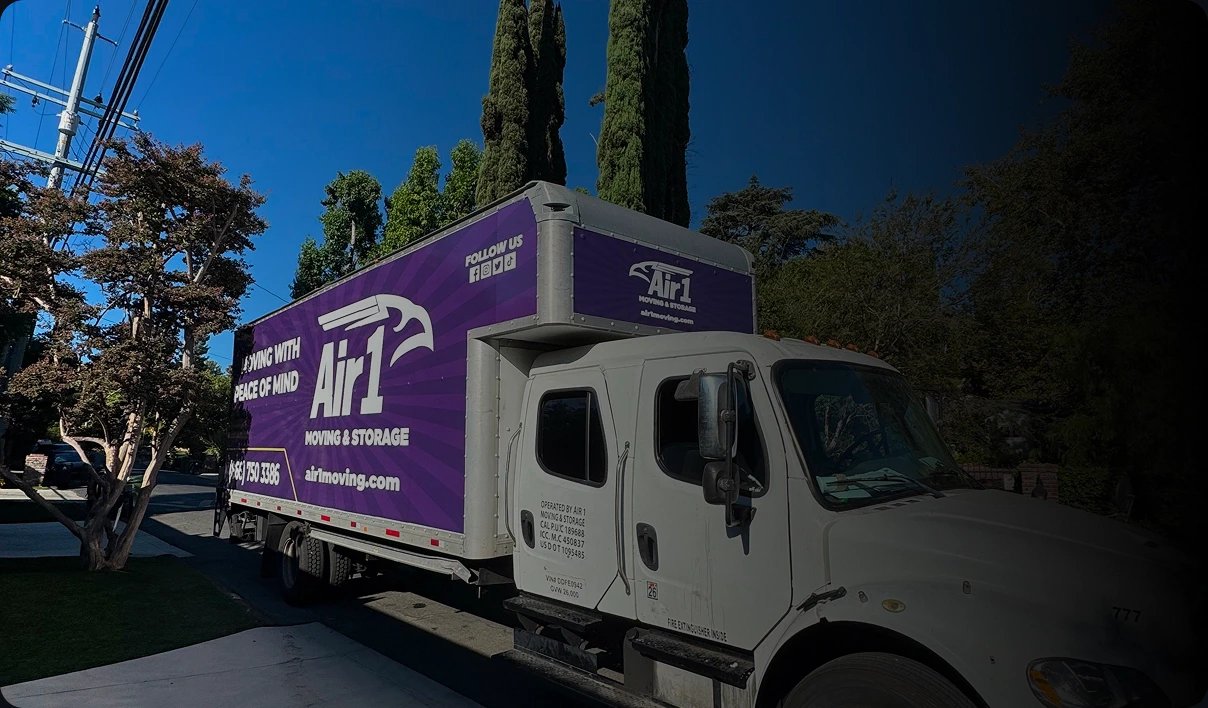
Content That Earns Estimates.Built From Real Moves.
Cost guides and service pages written from your team’s experience, with every claim checked.
acmemoving.example/guides
AAcme MovingServicesMoving guidesEstimates
Moving guides · Acme Moving Company
How Much Does a 2‑Bedroom Move Cost in Phoenix?
Home size, distance, stairs, packing and timing all shape the price of a move. Here’s how our estimators build a written estimate, and what can change it.
What sets the price
In this guide
1What sets the price
2Local vs long-distance
3Packing and timing
4Ways to save
5Getting a written estimate
Planning a two-bedroom move?
Get my estimate
Before a customer books a mover, they want answers: what the move will cost, how packing works, what happens on delivery day and whether your crew has done this before. Somebody is going to answer those questions. When it’s your website, the estimate call starts with trust. When it’s a competitor’s, the call goes to them.
Built From Your Crew’s Experience
Your crews and estimators know what customers get wrong about moving day. We turn that know-how into useful pages, and nothing about your business goes live until your team has approved it.
Written For The Moving Decision
Every piece answers a question that changes a decision, from what sets the price to what happens when the truck arrives, and points to the right next step.
Judged By Estimates, Not Volume
Content is measured by the searches it appears for, the estimate requests it starts and, where tracking allows, the booked moves it supports. Word count is never the scorecard.
The moving decision
The Right Answer For Every Stage Of A Move
Customers ask different questions as moving day gets closer. We sort each question by intent before it gets a format, so every page meets the customer where they are and points to a sensible next step.
What They’re Asking
The Content That Answers It
Just Starting To Plan
“We’re moving this summer. Where do we even start?”
Checklists that turn advice into a plan, from a month out to delivery day
Working Out The Cost
“What will a move like ours cost?”
A cost guide that explains what sets your price and when the number can change
Comparing Options
“Should we pack ourselves or pay for packing?”
Explainers that compare the choices and link to the service each one belongs to
Checking Out Movers
“Do they handle what we need, where we live?”
Service pages that say what’s included, where you offer it and what isn’t covered
One Last Worry
“Can they get a piano down our stairs?”
FAQs that settle one concern each and link to the page with more
Ready To Book
“How do we get a written estimate?”
A clear next step on every page, plus guides your estimators can send
Side by side
The Same Moving Cost Guide, Written Two Ways
Both pages answer “How much will my move cost?” Only one could belong to your company and no other.
Could Be Any Mover’s
“Every move is different, so call us for a quote”
Generic tips rewritten from other movers’ blogs
The same paragraph with a new city name
Binding and non-binding estimates blurred together
Licensing, insurance and price claims nobody confirmed
Judged by traffic and word count
Could Only Be Yours
What sets your price: home size, distance, access, packing and timing
How your estimate works, and when the number can change
Binding and non-binding interstate estimates, explained the way federal rules define them
Details from your crew leads and estimators
Every claim confirmed by a named owner on your team
Judged by the estimate requests it starts
Your free content audit
Find The Pages That Win Estimates, And The Gaps That Lose Them
Your blog may be growing while your most important service pages still leave customers guessing. A customer who can’t tell what you move, where you work or how your estimates run doesn’t keep digging. They move on to the company whose page answered first.
The free growth audit starts with the pages you already have. We read your service pages, guides and FAQs the way a customer would, check the searches they appear for and the inquiries they start, and flag every claim that needs confirming. You get a short list of what to fix, what to merge and what to write next.
The Questions That Decide A Move
A customer comparing movers needs answers that affect the decision: what you move, where you operate, how estimates work and what happens next. Those questions are the editorial plan. Every piece we write starts from one of them and ends with a sensible next step.
A local customer checking apartment access needs different information from an office manager planning a phased relocation. We map each question to the service it belongs to before choosing a format, and our content strategy guide for movers explains how we decide what comes first.
Starting From What You Already Have
If you already have a library, we start with what it has earned. Pages that bring in relevant searches and inquiries are worth improving rather than replacing, and overlapping articles can often become one stronger page. Nothing is removed or redirected until you’ve agreed to it.
Your Facts, Your Approval
Claims about licensing, insurance, coverage and pricing come from you, never from us. Every piece goes through a fact check and an approval step with a named owner on your team, and the same person signs off again when the facts change.
A good moving guide works in more places than the blog. It answers a search, gives an AI summary accurate facts to draw on, gives an ad a page worth landing on and gives your estimators something useful to send. One well-made piece can do all four jobs.
That only works when the piece is specific. A page that could belong to any mover in any city helps none of them. A page that explains how your crew handles a third-floor walk-up, or exactly what your estimate includes, does work that generic copy can’t.
In Search: Pages That Match The Question
Google asks for helpful, reliable, people-first content, and recommends using the words people would use to look for it in prominent places such as the title and main heading. For a mover, that means the customer’s language, like “cost to move a three-bedroom house,” rather than internal jargon.
Google says there are no additional requirements to appear in AI Overviews or AI Mode, and no special optimizations are needed. The basics still apply: content people can reach through internal links, important information available as text, and structured data that matches what the page shows.
Those summaries change what a page has to do. In Pew Research Center’s study of March 2025 browsing data from 900 U.S. adults, people who saw an AI summary on Google clicked a traditional result in 8% of visits, against 15% when no summary appeared. A page has to be worth citing and still give the reader a reason to click, which is where our AI search optimization work picks up.
In Ads: Landing Pages With Something To Say
Google Ads requires ad destinations to offer unique value, and doesn’t allow destination content copied from another source without adding original content. Its Quality Score includes landing page experience: how relevant and useful the page is to the people who click. A service page that genuinely explains the move serves the ad and the customer at once.
In Sales Follow-Up: Answers Your Estimators Can Send
FMCSA tells customers planning an interstate move to get estimates from at least three movers or brokers and to compare cost and services. A guide that explains what your estimate covers, how packing works or what to expect on delivery day gives your team something better to send than another “just checking in.”
Formats with a purpose
The Content Types That Help Moving Customers Decide
Service pages explain what can be booked. Guides help people plan. FAQs resolve a specific concern. Each format has a job, and we choose it once we know the question, not before.
These are the formats we use most for movers. Each has a purpose, a primary audience and a relevant next step, and a complete library usually needs all six.
Cost Guides That Explain The Price
Price is usually the first question. A useful cost guide explains what sets the price of a move with you: home size, distance, access, packing, timing and anything that adds hours on the day. It shows how your estimate works and when the number can change.
It doesn’t need to publish a rate card. It needs to be clear about what moves the number, so the estimate call starts from shared expectations instead of a surprise. Improving estimate accuracy and customer trust covers what customers need to see.
Checklists People Keep Open On Moving Day
A checklist turns advice into a plan the customer can follow: a month out, the week before, moving day and delivery day. Written from your process, it also sets expectations about what your crew does and what the customer handles, which can spare your team the same explanation on every call.
Service Explainers That Say What Can Be Booked
A service page should say what the service includes, where you offer it, what it doesn’t cover and how to get an estimate. Packing, storage, long-distance and commercial moves each deserve that clarity on their own page. See how to structure moving company service pages for the layout we start from.
FAQs That Resolve One Concern Each
A good FAQ answers one worry in a few sentences and links to the page with more. Google stopped showing FAQ rich results in May 2026, so we write FAQs for the reader rather than for a search feature, and any markup describes only what the page visibly says.
Customer Stories, Only With Consent
A real move told well is persuasive, which is why the rules are strict. Endorsements must reflect the customer’s honest experience. A story will likely be read as typical, so it needs evidence that it is, or a clear note of what customers can generally expect, and a payment or discount given for the story must be disclosed clearly.
Writing a review or testimonial for someone who doesn’t exist, or who never used the service, violates the FTC’s rule on consumer reviews and testimonials. We publish a customer’s story only with their approval, in their own words, and leave out anything they’d rather keep private.
Video That Shows The Work
A short clip of your crew wrapping a sofa or walking through an estimate shows what a paragraph can’t. We plan video alongside the written guide and keep the key facts in the text as well, because Google asks that important content be available in textual form. Our creative and video production service covers scripts and shoot coordination.
Experience you can’t fake
Content Built From The People Who Do The Moves
Google’s guidance asks whether content provides original information and shows first-hand expertise, the kind that comes from actually using a product or service. For a moving company, that expertise is already on the payroll. It’s the crew lead who knows how a piano gets down a curved staircase and the estimator who knows which questions customers forget to ask.
We collect those details directly: packing boundaries, building-access requirements, scheduling constraints, storage handoffs and how estimates are prepared. We don’t invent jobs, customers or experience to make a story sound authoritative.
Interviews With Crews And Estimators
A short, structured conversation produces better material than a stack of competitor articles. We ask what customers misunderstand, what slows a move down, what goes wrong when people pack themselves and what your best estimators always explain. Then we write it up in your voice and send it back for checking.
What E-E-A-T Means For A Mover
E-E-A-T stands for experience, expertise, authoritativeness and trustworthiness, and Google says trust matters most. Its quality rater guidelines describe experience as whether the creator has the first-hand or life experience the topic needs. For moving advice, that means the people who pack, load and deliver.
Raters don’t decide rankings: Google says rater data isn’t used directly in its ranking algorithms. The guidelines are still a clear picture of what Google means by trustworthy content.
Photos And Examples You’ve Approved
Approved crew photos and anonymized examples from real jobs add context that stock images can’t. Customer names, addresses and anything identifying stay out unless the customer has agreed. Our comparison of real customer photos and stock images explains the difference it makes.
Bylines That Tell Readers Who Wrote It
Google suggests pages carry a byline where readers would expect one, leading to more about the author, and its rater guidelines treat made-up author profiles as deceptive. We credit content honestly, to your company or to the team member whose experience it draws on, never to an invented expert. Our own resources library works this way: every guide carries an organizational byline and lists the sources behind it.
Research before writing
Topic Research That Starts With Real Customer Questions
We plan topics from two sources grounded in your own customers: the searches your site already appears for, and the questions people ask your team. Search Console shows the first. Your phone calls, estimate visits, emails and reviews hold the second.
Each question is sorted by intent before it gets a format. Planning questions become guides, comparisons become explainers and service questions belong on the service page. That review also stops several pages from answering the same query.
What Search Console Tells Us
Search Console’s Performance report shows the queries and pages that earn your site impressions and clicks in Google Search, with click-through rate and average position. We use it to find questions you already half answer, pages that appear for the wrong searches and services with no page at all. Keyword research for movers covers how services, cities and routes fit together.
Questions From Calls, Estimates And Reviews
Search data shows what people type. Your team hears what they actually worry about. We ask your sales staff for the questions they answer every week and read past reviews for the moments that made or broke a move, then match them to the searches behind them.
Hub Guides, Supporting Articles And Service Pages
Related questions become a cluster. A hub guide covers the whole job, such as planning a long-distance move, and supporting articles go deep on one part of it, from cost to packing to timing. Every piece links to the service page it supports.
Links carry that structure. Google recommends descriptive, concise anchor text and says every page you care about should be linked from at least one other page on your site. Our guide to internal linking for moving companies shows the pattern.
Local Relevance Without A City-Page Factory
A worthwhile location page helps someone understand actual coverage and the logistics of moving there. A city name swapped into the same paragraph adds little, and Google’s spam policies list pages targeted at specific regions or cities that funnel users to one page as doorway abuse.
We consolidate overlapping pages, link locations to the services actually available there and keep a staffed location distinct from an area served. If there’s no useful local detail, a stronger regional page may be the better choice. See location pages without doorway content.
Publish before the rush
A Content Calendar Timed To Moving Season
Moving is seasonal, so content should be ready before demand arrives. Census Bureau research using 2008 survey data found June the most popular month to move, with about 11% of moves, followed by August at about 10%. December, February and March were the quietest, at about 7% each.
Interstate moves lean harder into summer: 33% happened in June through August, against 29% of moves within the same county. Census data from 1996 shows the same summer peak. These are national figures, and your own booking history decides your calendar.
Spring: Get The Summer Pages Ready
Pieces aimed at summer movers need to be live, linked and accurate before those customers start planning. Spring is when we refresh cost guides and booking advice, publish checklists and update availability language so it matches the schedule your crews can actually keep.
Summer: Keep The Answers Current
At peak, content work shifts toward accuracy: dates that are filling up, lead times for packing and storage availability. A page that promises open weekends you no longer have sets up a disappointing first call.
Off-Season: Build What Peak Season Leaves No Time For
Quieter months suit work that needs your team’s time: interviews, deeper guides, storage and commercial content, and refreshing whatever aged during the season. Our seasonal marketing calendar and off-season strategies cover the timing in more detail.
Every claim backed
Accurate Content That Stands Behind Every Claim
Content that sells your services is advertising, and the FTC expects advertising to be truthful, not deceptive and backed by evidence, online as much as anywhere. Advertisers need a reasonable basis for objective claims before they publish them.
That covers what a page implies as well as what it says. A claim like “studies show” needs at least the support it advertises, and an implied claim needs the support it communicates. So before a guide calls your crews licensed, insured or on time, someone on your team confirms it and the evidence is on file.
Interstate Guides Follow Federal Mover Rules
Federal rules treat any communication to the public that offers interstate household goods service as an advertisement, and the definition expressly includes listings in online databases and on websites. Those advertisements must be truthful, straightforward and honest, and each must show your USDOT number in the form “U.S. DOT No.” followed by the number.
Cost guides should describe estimates the way the rules do. A binding estimate fixes the total cost for the quantities and services it lists. A non-binding estimate is what the mover believes the move will cost, with final charges based on the actual weight and the tariff in effect. A mover may charge for a binding estimate but not a non-binding one.
On a collect-on-delivery shipment, the mover must release the goods at delivery once the customer pays up to 110% of a non-binding estimate. Movers with a website must also display a link to FMCSA’s Ready to Move? brochure prominently, or post a true and accurate copy.
A Fact Ledger For Every Piece
Every factual claim in a draft goes into a short ledger: the claim, its source, who confirmed it and when. Platform rules and regulations are checked against the primary source, not a summary of it. When a fact changes, the ledger shows every page that repeats it. It’s also the backbone of our quality controls for AI-assisted content, because a confident sentence isn’t the same as a correct one.
No Invented Proof
We don’t fill gaps with fiction: no made-up statistics, customers, reviews or results. If a claim can’t be supported, it comes out, and the page is stronger for admitting what it can’t promise.
Tools with a defined role
How We Use AI In Content, And Where We Don’t
Google says appropriate use of AI or automation isn’t against its guidelines, and that generative AI can help research a topic and add structure to original content. Using automation to generate content mainly to manipulate rankings is a violation of its spam policies.
So AI has a defined role in our work. AI-assisted drafting may help organize research and structure a piece, but human review checks factual accuracy, usefulness and voice, and your team approves the business facts. Google warns that generative models predict likely words rather than retrieve facts, so every assisted draft is fact-checked before publishing, metadata included.
Every Piece Starts With A Brief
Before anyone drafts, the brief names the question, the audience, the person we’ll interview, the sources that will back the claims, the pages it should link to and the next step for the reader. A tool can help fill in a brief. It can’t supply the crew lead’s experience.
Scaled Content Abuse, In Plain Terms
Google defines scaled content abuse as generating many pages mainly to manipulate rankings rather than help people, typically unoriginal content with little value, no matter how it’s created. Its examples include using generative AI to produce many pages without adding value.
For movers, the familiar version is a set of near-identical pages for every service in every town. We don’t build them, by hand or by machine.
What Quality Raters Are Told About AI
Google’s rater guidelines call generative AI a helpful tool that can also be misused, and say using it doesn’t by itself decide a page’s quality. Pages where all or almost all of the main content is copied, paraphrased or AI-generated with little to no effort, originality or added value get the lowest rating.
Being Open About How Content Is Made
Where automation substantially generated a piece, Google asks whether that is clear to readers and whether the page explains why it was useful. We agree with you how assisted work is credited and disclosed. Our article on evaluating AI tools for moving company marketing covers the questions to ask of any tool.
Publish once, use it everywhere
Putting Each Piece In Front Of The Right Customers
Publishing is only the start. A new cost guide can go to past customers by email, onto your Business Profile as a post, into social posts and into the follow-up your estimators send. Each channel has its own rules, and we plan them with the piece rather than after it.
Every link we share is tagged. Google Analytics reads campaign parameters such as utm_source, utm_medium and utm_campaign from the link and shows them in its Traffic acquisition report, and a medium of “email” places the visit in the Email channel.
Email That Follows CAN-SPAM
CAN-SPAM covers all commercial email, not just bulk mail, and makes no exception for business-to-business messages. A promotional email needs honest header information and subject lines, must be identified as an ad, must include a valid physical postal address and a clear way to opt out, and opt-outs must be honored within 10 business days.
Whether a message counts depends on its primary purpose. A note about a customer’s own booked move is treated differently from a newsletter, but the FTC reads that exception narrowly, so we keep promotions out of transactional messages. The FTC also expects you to monitor anyone who sends email on your behalf.
Business Profile Posts
Business Profile posts share updates, offers and events on Search and Maps, and an update can include a photo, a video and a button that links to the full guide. Google reviews each post against its content policy, and posts older than six months are archived unless a date range is set.
Google may remove posts with unverified contact information and suggests a Call now button instead, so we use the button rather than typing a phone number into the post. Our Google Business Profile Optimization work keeps the profile itself in shape.
Social Posts And Short Clips
A checklist, a packing tip or a short clip from a real job often suits social media better than a link to a long article. We cut each guide into a few posts for the channels you actually use, written for each platform, and point them back to the page with the full answer.
Sales Follow-Up Your Team Will Use
Your estimators answer the same questions every week. We give them a short set of links for the moments that come up most: before an in-home estimate, after a quote and the week before the move. See how to nurture estimates without being pushy.
Know what it earned
Measuring Content By Estimates, Not Word Count
Content volume and word count are production measures, not business results. Google says it has no preferred word count, and neither do we. We look at relevant search queries, useful engagement, estimate inquiries and qualified outcomes where attribution is available.
Search Console: What People Searched
Search Console shows the queries each page appears for and how often people click through. Traffic from Google’s AI features, such as AI Overviews, is included in the same Performance report under the Web search type.
Analytics: Visits That Became Inquiries
In Google Analytics, estimate requests and calls from the site are set up as key events, the actions that matter most to your business. Linking Search Console adds reports that put organic queries and landing pages beside what visitors did next.
Together they show which guides lead to estimate requests, directly or by sending readers on to a service page. The CRM side is covered in tracking organic leads through to booked jobs.
What We Can’t Attribute
Some customers read three guides over a month, then call from a different device. We report what can be attributed as attributed, note assisted journeys where they’re observable and don’t credit content with bookings the data can’t connect to it.
When A Page Attracts The Wrong Traffic
A page that ranks for unrelated searches isn’t a win. It may need a different intent or a clearer handoff to the right service, rather than more keywords. See how to measure organic traffic quality.
Maintenance is content work
Refresh What Matters Before Adding More
An outdated service promise can cost more than a missing blog post. Coverage changes, estimate processes change and platform rules change, and a page that was right last year can quietly mislead a customer today.
Google asks site owners whether they change the date on pages to make them seem fresh when the content hasn’t substantially changed, and whether they add or remove lots of content mainly in the hope that looking fresh will help rankings. We update a page because something changed, and show the new date when it did.
What we review on priority pages
Service areas, services and anything you’ve stopped offering
How estimates, deposits and scheduling work today
Licensing, insurance and other claims, against current records
Platform guidance and regulations the page describes
New questions your team keeps hearing
Internal links to pages that moved or merged
Merging Pages That Compete
Two articles answering the same question split attention between them. We merge them into the stronger page and point the old address at it with a permanent server-side redirect, which Google calls the best way to send people and Google Search to the correct page. Our guide to content cannibalization shows how we find them.
Keeping What Already Works
A page that earns relevant searches and inquiries keeps its address. We improve the answer instead of starting over, as our guide to updating old articles without losing rankings explains.
Where content goes wrong
Content Mistakes That Cost Movers Estimates
These problems are easy to miss from the inside and straightforward to fix once someone names them. Each one costs a mover trust, traffic or both.
A blog full of generic tips while service pages leave customers guessing
City pages that swap a new place name into the same paragraph
Several articles competing to answer the same question
Cost guides that blur binding and non-binding estimates
Licensing, insurance or pricing claims nobody confirmed
AI drafts published without a fact check
Customer stories and photos used without permission
Dates changed on pages whose content didn’t
Publishing to a monthly quota instead of a real question
Success judged by traffic or word count instead of estimates
A guide can only do so much on its own. These services help it get found, read correctly by search and AI systems, seen on Google Maps and backed by real footage of your crews.
Content gives search engines something worth ranking, and SEO makes sure they can find and understand it. Technical fixes, site structure and internal links help your guides and service pages get crawled and indexed.
We plan the two together, so new content fills real gaps in your site instead of competing with the pages you already have.
AI answers draw on clear, consistent facts about your business. The guides that answer your customers can also give those systems accurate information to work from.
We check that your services, areas and details match across your site and profiles, without promising a mention that nobody can promise.
Video and photography show the crews, trucks and care that your written guides describe. A short clip can show in seconds a packing tip that takes a paragraph to explain.
Scripts and shoots are planned around the content calendar, so each guide gets the visuals it needs.
Everything Your Content Needs,From Research To Refresh
Six parts of one process, from the first audit to the next refresh, each built around the questions your customers actually ask.
Content & Intent Audit
Your pages, guides and FAQs reviewed against the searches they earn and the questions customers ask, with overlaps, gaps and outdated claims listed in plain language.
Prioritized Editorial Calendar
Pieces ranked by customer value and business priority, timed ahead of your busy season and paced to what your team can review.
Service & Guide Briefs
A brief for every piece: the question, the audience, the interview, the sources, the links and the next step, agreed before writing starts.
Original Copy Within Scope
Service pages, guides, checklists and FAQs written from your operation and in your voice, within the production scope agreed in your proposal.
Fact-Check & Approval Workflow
Every claim logged with its source and confirmed by a named owner on your team before it goes live, and again when the facts change.
Internal Linking & Refresh Plan
Links that connect each guide to the service it supports, plus a schedule for reviewing the pages that matter most.
How we launch your content
Three steps to launch.Then a library that keeps improving.
Every step ends with a checkpoint before the next begins. Nothing is published until your team has checked the facts in it.
01
Audit & research
We review your existing pages, the searches they earn in Search Console and the questions your team hears every week. The research maps each question to a service and a format, and shows where pages overlap or leave gaps.
02
Plan & interview
The editorial calendar sets priorities and timing around your season. Each piece gets a brief, and short interviews with your crews and estimators supply the details only your operation knows.
03
Write, check & publish
Drafts go through a fact check and your approval, then go live with links to the services they support. Publishing follows approval and readiness, not a monthly quota.
Ongoing
Measure & refresh
What customers ask, and what they book, decides the next piece.
Qualified inquiries, booked moves and the marketing behind them.
Qualified leads by channel
Select a source to explore its campaigns.
MoverAI Growth opportunity
Turn more estimates into booked moves.
93 estimates in this sample account are awaiting a booking decision. A timely, relevant follow-up is the next step.
Confirm move date and service coverage
Answer inventory and access questions
Connect the booking to its lead source
Follow the outcome
Bookings and revenue use the current lead statuses in this demo.
Estimated booked revenue$187,800
Acquisition cost per booked move$300
Marketing channels5
October 2026
Your moving business, by the numbers.
Estimated booked revenue$187,800
Ad spend$18,600
Qualified leads248
Booked moves62
How bookings build through the month
Weekly totals from the example lead records.
45kWeek 1
63kWeek 2
62kWeek 3
18kWeek 4
Your reports
Build and download a snapshot of the sample account.
Available example reports
Report
Period
Leads
Bookings
Download
October growth report
October 2026
248
62
Weekly booking review
Oct 22–28, 2026
59
6
Make honest feedback part of the process.
Request a review after a completed move, without incentives or review gating.
Review request drafts
Practice your follow-up using example bookings. No messages are sent.
Jordan Parker
DEMO-001 · Local moving
Confirm move completion before sending
Taylor Parker
DEMO-002 · Local moving
Confirm move completion before sending
Morgan Parker
DEMO-003 · Local moving
Confirm move completion before sending
Casey Parker
DEMO-004 · Local moving
Confirm move completion before sending
Client portal
MoverAIClient Portal
Your content sits in the same view as your leads. MoverAI shows organic visits next to estimate requests, lead sources and booked moves, so the next piece is planned from outcomes rather than page views.
Preview shown with Acme Moving Company, a fictional example account.
Start with the gaps affecting your priority services and customers. Production volume follows research depth, approval capacity and the agreed scope. We do not recommend a fixed article quota before understanding the business.
Can you write city pages for every place we serve?
Only where a distinct page has useful, accurate information. We avoid near-duplicate doorway pages and do not suggest fake offices or Business Profiles.
Will content get us recommended by ChatGPT?
Helpful, accessible information can strengthen a source’s clarity and relevance. Different systems select information differently; neither publication nor schema guarantees a recommendation.
Do you use AI to write our content?
AI-assisted drafting may help organize research and structure a piece, but people check the facts, the usefulness of the advice and the voice, and your team approves the business details. We don’t use automation to mass-produce pages, which Google’s spam policies treat as abuse when the aim is rankings rather than readers.
What do you need from our team?
We need access to your website, Search Console and analytics, short interviews with the people who know the work, usually a crew lead and an estimator, and one person who approves business facts. We schedule interviews around your busy days and keep each request specific.
How long before content brings in estimate requests?
It depends on your site, your market and the competition, and nobody can promise rankings or a date. New pages need to be found, indexed and tested by real searches. We set review points at launch and report what each one shows, including early signs such as impressions before inquiries follow.
Should we update old posts or write new ones?
Usually update first. A page that already earns relevant searches is worth improving, and overlapping posts can often be merged into one stronger page with a redirect. New pieces then fill the gaps that are left, starting with the questions that affect bookings.
Are FAQ sections still worth having without FAQ rich results?
Yes, for readers. Google no longer shows FAQ rich results, but a clear answer to a common worry still helps a customer decide and gives search and AI features plain text to work from. We write FAQs for people first and keep any markup matched to what the page shows.
Can our estimators use the content in their follow-up?
Yes, and they should. We give your team a short set of links for the moments that come up most, such as before an in-home estimate, after a quote and the week before a move, so each follow-up answers a question instead of just checking in.
Customers Have Questions.Be The One Who Answers.
Your free growth audit shows which pages help customers choose you today, which ones leave them guessing and what we’d write, fix or merge first.